In The craft
Iterate Small
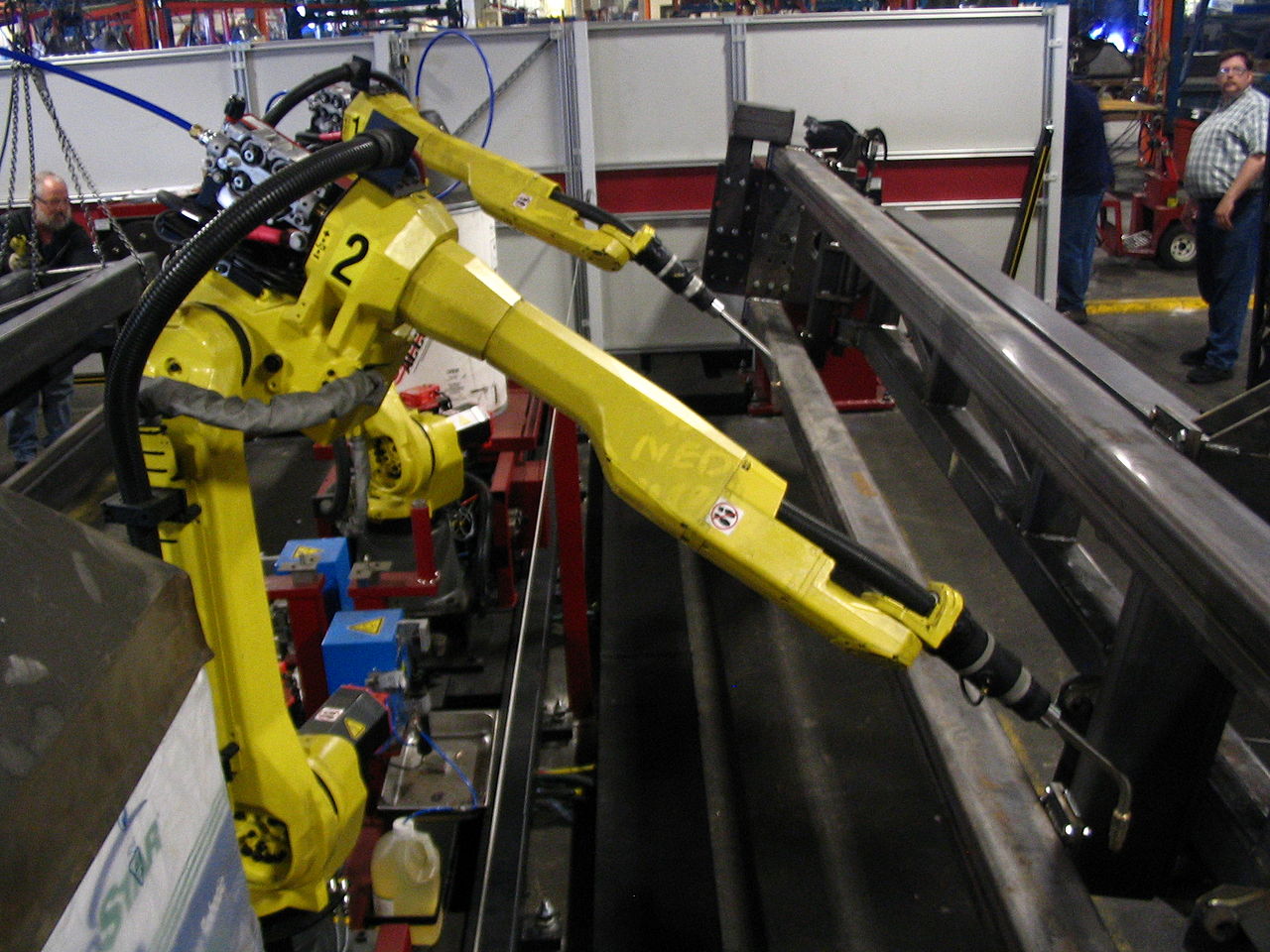 In the 1980’s manufacturing in the United States was in decline. After World War 2 the United States was the undisputed leader in manufacturing. During the 1960’s this changed. Japanese companies made the same products as the United States but their products were of a higher quality and cheaper. How did they do it? Many factors played a role, but one of factor was batch size. By lowering batch sizes Japanese companies increased quality and were able to deliver more product.
Lowering batch sizes allowed for a more nimble process. Instead having 20 tons of raw materials in process, they only needed 2 tons. When a batch was defective (it had bugs) only 2 tons of raw material were lost instead of 20 tons. The entire process was more efficient.
Applying this to software engineering, we want to develop small and deploy small.
Develop Small Manufacturing is not an exact parallel to software development, but many of the principles are applicable. For instance, the more code changed, the more opportunity for bugs to manifest. Minimizing the number of changes lessens the likelihood of bugs.
Break tasks into small chunks. Even large feature can be split into small tasks. It’s fine to ship benign code.
Deploy Small Deploying small requires a build and deployment process that can be confidently run multiple times a day.
Continual deployments allows for an evolving product. Nothing like upgrading from Windows 7 to Windows 8 ( for those that did not experience this, it was a drastic change). Small changes deployed in small increments. Less impact on the user and less opportunity for something to go wrong.